Mycorrhizal Fungi: Earth's Gigaton Carbon Sinks Revealed
Often overlooked beneath our feet, a vast and intricate network of life silently underpins the health of nearly every terrestrial ecosystem. Fungi, these ancient and diverse organisms, are much more than just decomposers or sources of penicillin. They are, in fact, master engineers of the soil, forming vital partnerships with plants and playing a monumental, yet largely unappreciated, role in global carbon cycling. Specifically, mycorrhizal fungi are emerging as critical players in what scientists call "fungi carbon storage," channeling immense quantities of atmospheric carbon dioxide deep into the earth, positioning them as one of Earth's most significant biological carbon sinks. Understanding this hidden world is not just an academic exercise; it's crucial for our planet's climate future.
The Hidden Partnership: How Mycorrhizal Fungi Fuel Soil Carbon Storage
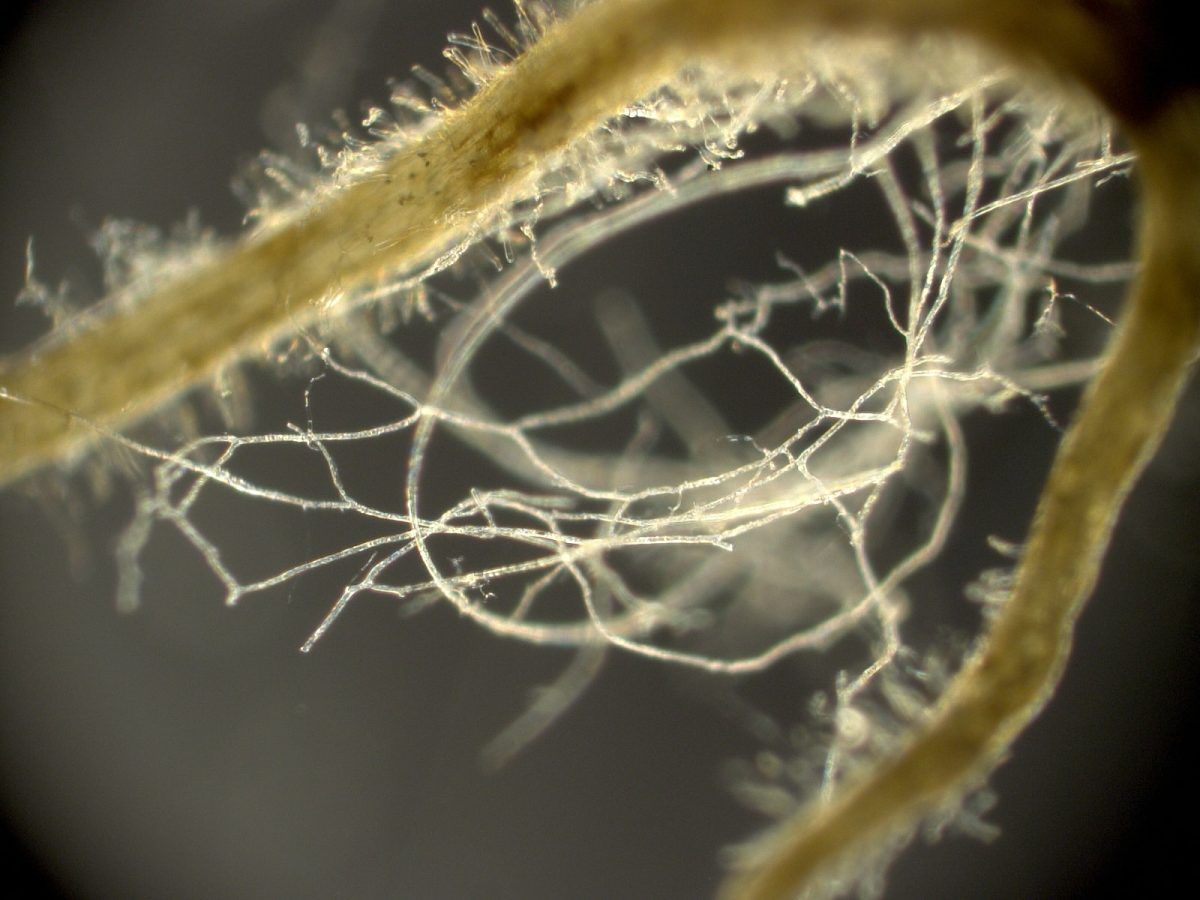
The magic begins with a profound mutualistic symbiosis between mycorrhizal fungi and the roots of an astounding 80-90% of all terrestrial plant species. This isn't merely a casual acquaintance; it's a finely tuned exchange that has evolved over millions of years. Plants, through photosynthesis, capture carbon dioxide from the atmosphere and convert it into sugars. These sugars represent a valuable energy source, and a significant portion is allocated to their fungal partners. In return, the fungi, with their extensive networks of fine filaments known as mycelium, act as super-efficient nutrient gatherers, reaching far beyond what plant roots can access. They scavenge vital soil nutrients like phosphorus and nitrogen, delivering them directly to their host plants.
This elegant trade-off has profound implications for soil health and carbon sequestration. The photosynthetically fixed carbon received by the fungi isn't just used for their own growth and metabolism; a substantial amount is channeled into belowground pools. The intricate mycelial networks serve as the primary conduits for this carbon entry, depositing it directly into the soil ecosystem. Here, this plant-derived carbon contributes significantly to the formation and stabilization of soil organic matter, essentially locking carbon away from the atmosphere for potentially long periods.
Mycorrhizal Fungi: A Gigaton Carbon Sink on a Global Scale
The sheer scale of this underground carbon operation is nothing short of staggering. Globally, these fungal-plant partnerships are estimated to receive approximately 3.58 gigatons (Gt) of carbon every single year from plants. To put that into perspective, this colossal figure is equivalent to roughly 36% of annual anthropogenic CO₂ emissions from fossil fuels. This places mycorrhizal fungi firmly in the spotlight as one of Earth's largest and most effective biological carbon sinks, quietly working behind the scenes to mitigate climate change.
Not all mycorrhizal fungi are created equal, and their contributions vary across different ecosystems. The primary types influencing soil carbon dynamics include:
- Arbuscular Mycorrhizal (AM) Fungi: These are the most widespread, dominating in herbaceous plants and crops, covering about 57% of vegetated land globally. AM associations typically receive around 6% of their host plants' Net Primary Productivity (NPP), translating to roughly 1.07 Gt of carbon annually. They are particularly vital in agricultural soils and grasslands.
- Ectomycorrhizal (EcM) Fungi: Prevalent in woody plants, especially in boreal and temperate forest trees, which span about 26% of land. EcM fungi are significant carbon accumulators, receiving up to 13% of their host plants' NPP, amounting to a substantial 2.47 Gt of carbon per year. These forests are known for their dense, carbon-rich soils.
- Ericoid Mycorrhizal (ErM) Fungi: Associated with plants found in nutrient-poor heathlands and some shrubs, covering smaller geographical areas. While their carbon allocation is lower, around 3.5% of NPP (0.03 Gt C yr⁻¹), they play a crucial role in these unique, often acidic environments.
It's important to note that these carbon allocations can vary significantly depending on the specific plant functional group, prevailing environmental conditions (such as nutrient availability or moisture), and the specific fungal type involved. Field studies often reveal higher carbon fluxes compared to controlled experimental settings, underscoring the complexity and dynamism of these underground interactions. For a deeper dive into the specific roles of these different fungal types, explore our article:
AM vs. EcM Fungi: Unpacking Their Diverse Roles in Carbon Storage.
The Mechanisms Behind Mycorrhizal Carbon Sequestration
So, how exactly do these microscopic organisms manage such a massive feat of carbon sequestration? Several interconnected mechanisms contribute to effective fungi carbon storage:
- Extensive Extraradical Mycelial Networks: The vast network of fungal hyphae extends far beyond the plant roots, permeating the soil matrix. These mycelial networks are direct pathways for transporting photosynthetically derived carbon from the plant and depositing it throughout the soil. This physical distribution helps integrate carbon deeply into the soil structure.
- Fungal Necromass: As fungi grow and eventually die, their bodies (necromass) become a significant source of recalcitrant organic matter. Unlike easily decomposable plant litter, fungal necromass, particularly the sturdy chitin in their cell walls, breaks down slowly. This stable material acts as a scaffold for the aggregation of other organic matter, physically protecting carbon from microbial degradation and enhancing its long-term persistence in the soil.
- Exudates and Soil Aggregation: Mycorrhizal fungi produce a variety of exudates, sticky compounds released into the soil. A prime example is glomalin-related proteins (GRP), predominantly produced by AM fungi. Glomalin acts like a "superglue," binding soil particles together to form stable soil aggregates. These aggregates are crucial for soil health, improving water infiltration and aeration. More importantly for carbon storage, they physically encase and protect organic carbon within their structure, shielding it from rapid decomposition by other microbes.
- The "Gadgil Effect" and Decomposition Control (EcM Specific): Ectomycorrhizal fungi employ a particularly sophisticated strategy to enhance carbon accumulation. They can produce enzymes that slow down the decomposition rates of plant litter, and critically, they can suppress the activity of saprotrophic microbes—those fungi and bacteria that specialize in breaking down dead organic matter. This phenomenon, known as the "Gadgil effect," effectively reduces carbon loss from the soil, leading to a greater accumulation of stable carbon pools compared to systems dominated by AM fungi, where faster microbial turnover can sometimes accelerate carbon cycling and loss.
These sophisticated strategies highlight how mycorrhizal fungi not only introduce new carbon into the soil but also protect existing carbon from being released back into the atmosphere. To delve deeper into the physical and biochemical ways fungi lock carbon away, read our article:
How Fungi Lock Away Carbon: Mycorrhizal Networks & Soil Stability.
Balancing the Carbon Budget: Inputs, Outputs, and Future Implications
While mycorrhizal fungi are exceptional at sequestering carbon, it's crucial to acknowledge that the soil carbon budget is a dynamic balance of inputs and outputs. Carbon isn't locked away permanently without some degree of loss. Fungal respiration, for instance, contributes to soil CO₂ efflux, accounting for an estimated 6-25% of the total carbon dioxide released from the soil. Additionally, some fungal activities can lead to "rhizosphere priming effects," where the presence of fungi and their exudates might inadvertently stimulate other microbes to mobilize existing soil carbon. This delicate balance between carbon inputs and outputs varies significantly depending on the specific ecosystem, climate conditions, and soil properties.
The profound influence of mycorrhizal fungi on soil carbon dynamics necessitates their robust integration into global climate models. Incorporating mycorrhizal processes into sophisticated soil carbon models, such as modifications to the Yasso15 framework, has already demonstrated their importance in accurately predicting long-term litter decomposition and carbon sequestration. For instance, such models reveal that EcM associations can conserve up to 15% more recalcitrant carbon compared to non-mycorrhizal or AM-dominated systems. This improved understanding is vital for more precise climate predictions and for developing effective carbon sequestration strategies.
From a practical standpoint, fostering healthy mycorrhizal communities is an actionable step towards enhancing fungi carbon storage. Strategies such as adopting regenerative agricultural practices, minimizing soil disturbance (e.g., no-till farming), reducing reliance on synthetic fertilizers and pesticides that can harm fungal networks, and promoting biodiversity through diverse planting can all help strengthen these crucial underground partnerships and, consequently, boost the soil's capacity to draw down and store atmospheric carbon.
Conclusion
Mycorrhizal fungi are far more than just silent partners in the plant kingdom; they are indispensable architects of soil health and formidable allies in the fight against climate change. Their ability to channel gigatons of carbon into the earth annually makes them one of the most powerful and understated biological mechanisms for fungi carbon storage on the planet. Recognizing, understanding, and actively supporting these subterranean networks is paramount for enhancing soil fertility, bolstering ecosystem resilience, and ultimately, securing a more stable climate future. As we look for innovative solutions to environmental challenges, the intricate, carbon-capturing power beneath our feet offers a profound lesson and a potent tool.